







Client & Context
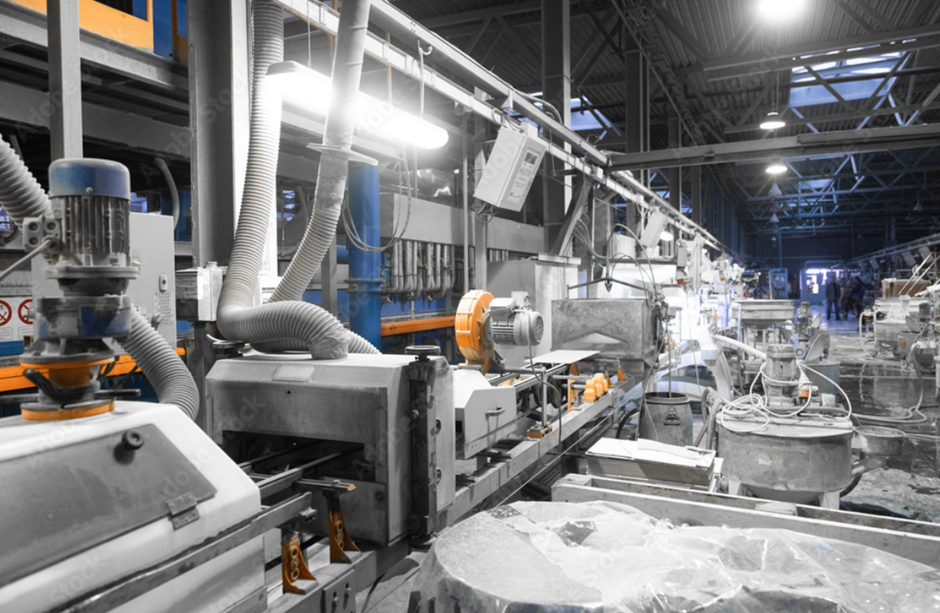
A leading Indian cement producer runs large, continuously operating cement facilities among the most energy-intensive in the sector. In this environment, power reliability, stability, and cost are structural determinants of margin performance.
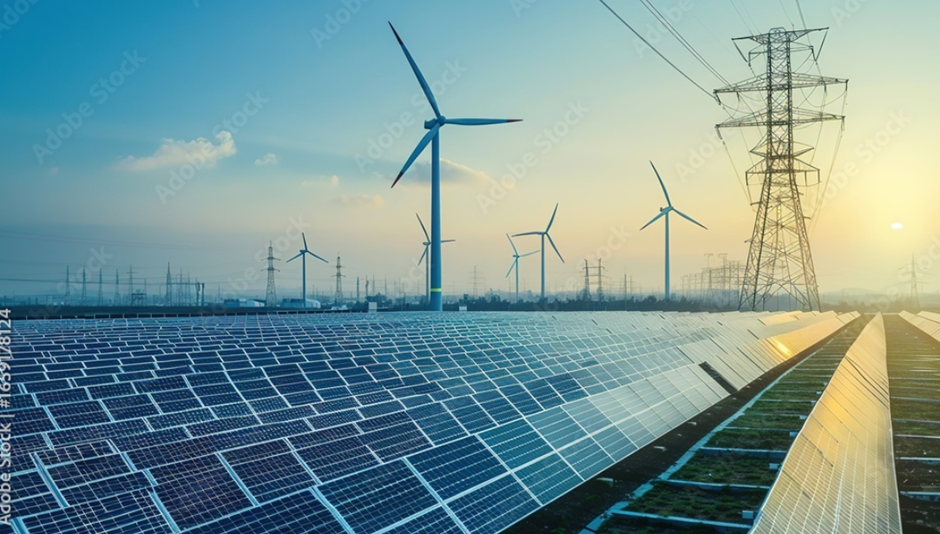
Power is drawn from a multi-layered supply stack comprising grid power with time-of-day pricing, captive thermal assets, waste heat recovery, and renewable sources. Managing 15+ concurrent power feeds in alignment with fluctuating demand created operational complexity that monitoring alone could not resolve.
The challenge was not data availability, but the absence of enterprise-level decision governance.
Business Problem
Power dispatch decisions were required every 15 minutes, around the clock. Each decision had to consider fluctuating tariffs, renewable availability, generator constraints, contractual limits, and plant safety margins.
In theory, operators had access to all the data. In reality, decisions relied heavily on experience and heuristics. Faced with complexity and risk, teams consistently chose “safe” power mixes—stable, compliant, but often expensive.
The result was subtle but persistent cost leakage. Deviations were visible only after bills were raised or monthly reviews were completed, by which time the opportunity to correct them had already passed.
At this scale, even a ₹0.10 per unit deviation, repeated across 96 dispatch intervals a day, translated into multi-crore annual exposure. The organization recognized that this was not a people problem—it was a decision-system problem.
Approach
Greenovative was deployed as an AI-driven decision layer, sitting above existing EMS, PMS, and SCADA systems.
Instead of replacing controls, the platform introduced a set of specialized AI agents, each responsible for a distinct aspect of dispatch logic. One continuously evaluated real-time source availability. Another enforced operational, contractual, and safety constraints. A third assessed cost implications across all feasible combinations.
Together, these agents recomputed the optimal dispatch mix every 15 minutes and surfaced a clear, executable recommendation: which sources to run, at what levels, and why.
Execution remained with UltraTech’s existing control infrastructure. What changed was the quality, consistency, and auditability of the decisions being executed.
Results / Impact
- ₹8–10 crore in annual savings potential identified across evaluated plants, driven by improved utilization of low-cost sources and reduced exposure to peak grid and thermal tariffs
- Dispatch decisions standardised every 15 minutes, eliminating shift-based variability and heuristic-driven source selection
- Reduced reliance on high-cost power during peak tariff windows through real-time optimisation
- Energy cost performance stabilised, with corrective actions shifting from post-facto billing reviews to live operational governance
Strategic Insight
This engagement reinforced a critical operational insight:
In complex, energy-intensive environments, data and dashboards are necessary but insufficient. Real value is unlocked only when intelligence is embedded at the point of decision.
By institutionalizing dispatch logic through AI agents, Our customer transformed energy from a continuously negotiated operational variable into a governed, repeatable system. The same decision framework can now be replicated across plants, geographies, and future energy sources—without increasing human dependency.